
grasping at summer
Yvonne Teo ·
Summer, as a concept, is obstinately elusive. An odd thing to say, probably, in the perpetual heat and humidity of Singapore—but summer, real summer, was always so much more than just that. Summer was the puddle of condensation slipped off an ice-cold drink. It was the sinking sun over a city, gloriously pink and gold. The kiss of the cool summer breeze on your skin. But most of all, it was a promise—of better, of more.
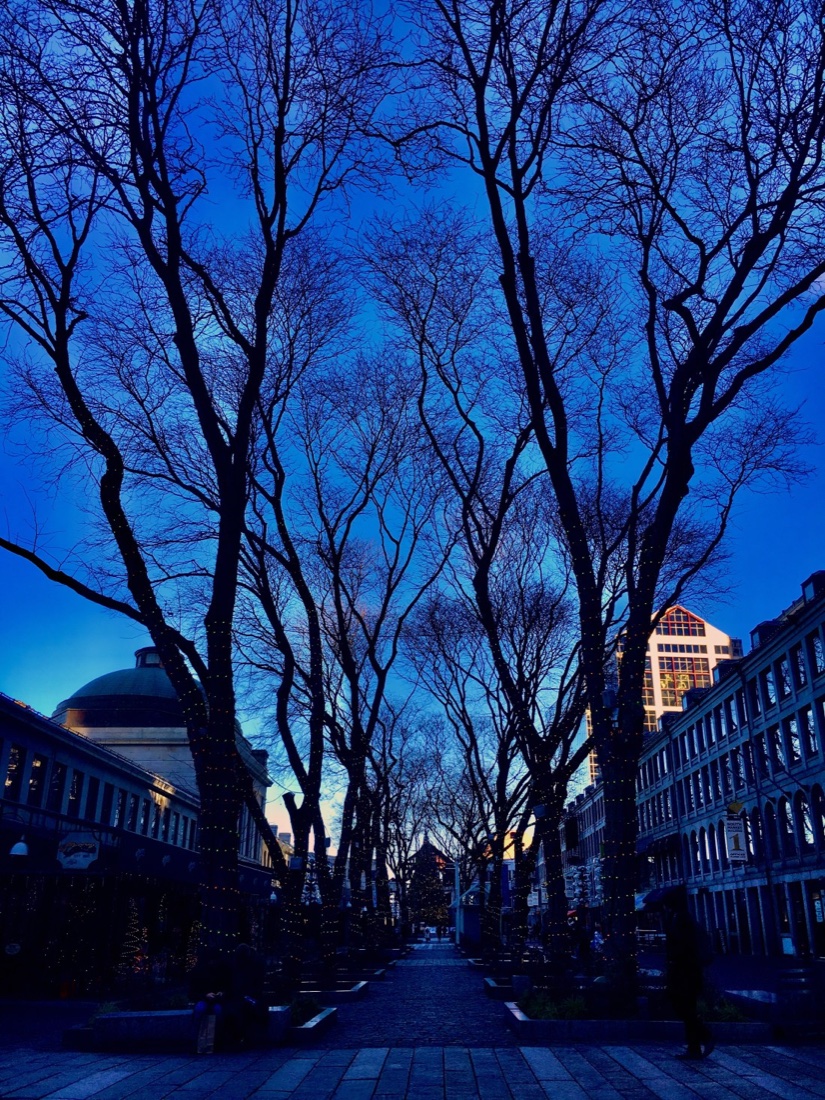
And although I have caught fleeting moments in this city when the rays of the afternoon sun just happened to hit at the right angle, or when something in the air just smelled right for a brief second, I have never grasped it as I had in Bostonian summers. On Pinkberry excursions in the dusk, on long walks by the Charles—in unhealthily sweet homemade banana milkshakes, and stepping out of the house in a single layer of clothes—summer, in its resplendent sunburst shades and inexplicable sense of liberation, has never felt as deliciously attainable as the days following Boston’s mythical spring.
—
Hope is a fickle master. At times, it blossoms, blooms from the bottom of my lungs—and pushes the air out, that I can only take shallow breaths. What was it really like, perhaps I’ll wonder someday, to teeter on the brink of hope and despair? Dare I give myself over to it? Dare I, or have I not already?
Every second of waiting, of biding time, steals away a little bit more faith. Could something that hasn’t happened for the past countless nights possibly happen anymore? Is there room for an anomaly?
And yet I want. I want, so hard—the sharp, hopeful angles of a building against an unremarkable grey sky; the blunt ache from the vague, nondescript memory of brick houses down a street; the deep space beneath my rib-cage that is a void unearthed (but perhaps, also filled) by the skyline of a city I don’t yet know. Could I have this? Could I be worthy of this fleeting, fragile thing that once was my life? Worse yet, could I run after this, one year and another one next, until my body runs out and any semblance of perseverance has wilted?
—
Time slips through like oil. Day after day, year after year, it slicks over and between my fingers, leaving behind some grease and a nebulous dawning horror that perhaps this is what life inevitably comes to: some grease and a nebulous dawning horror that perhaps this is what life inevitably comes to.
—
A few days after my twenty-seventh birthday, two letters of admission arrive in the mail. They come a little too late—or just maybe, more than a little early.
There’s an unspoken pact, it sometimes feels, among those of us who have chosen the impractical path. More often than not, there’s a stoutly defiance, a need to constantly prove—to friends, and family, and perhaps to oneself—that it had not been a mistake. It’s at once the yoke on our backs, and the aggravatingly unattainable, tantalisingly close carrot on a stick. To throw it off would be a relief.
To throw it off felt rather like a betrayal—to that little girl who had brightly said to anyone who asked—I want to be a musician when I grow up.
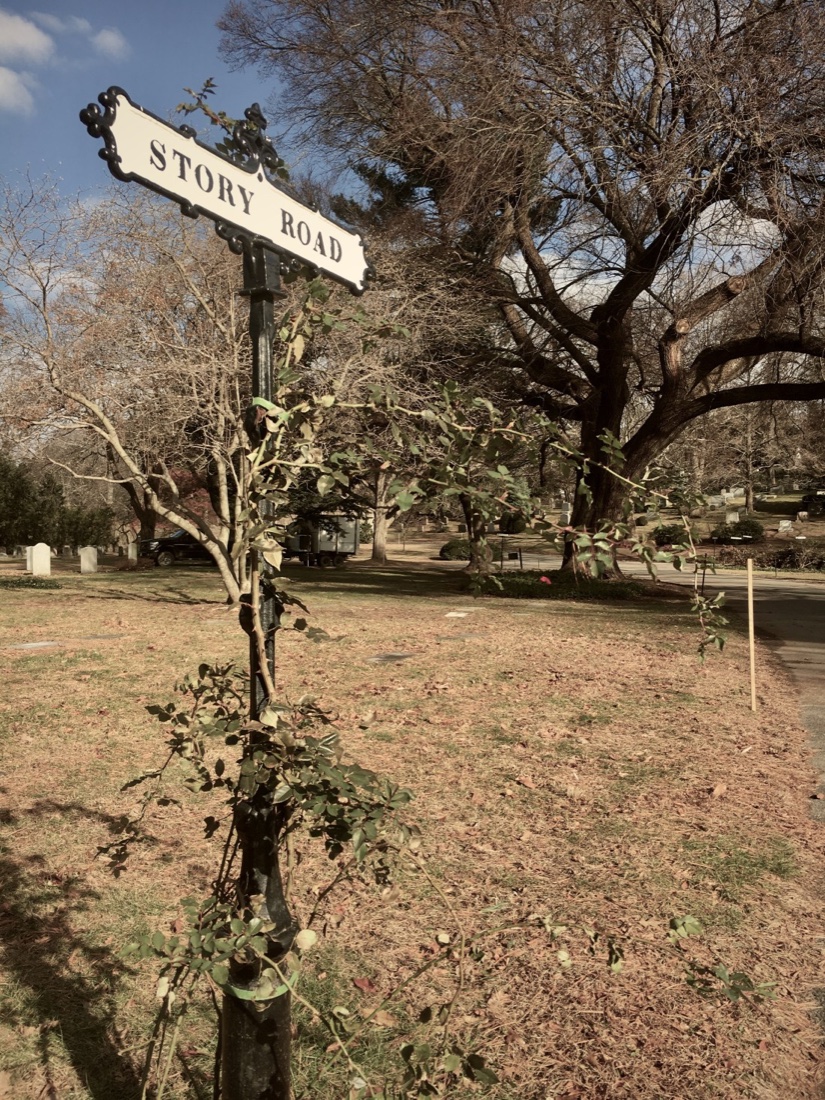
Several days before making the decision, I speak at length with a dear friend. There is more to life than music, many have said to me, and it would be silly to argue against that. But as we reminisced—about a pair of naive, bright-eyed adolescents, stepping (bravely, we then thought) into a world of uncertainty with little more than love of music to sustain that courage; about untold griefs and secret fears; about well-laid plans that went awry and dreams that were dashed—and about the wondrous hand of Providence that brought those dreams back and made them true, that wasn’t what stood out.
There is more to life than music, but what I had begun to realise, more revelation than epiphany, and blessedly stupendous—was that all life could be music. Stepping away was not letting go. It was not giving up. And where a promise had kept me caged, it now set me free.
—
Time sculpts like water. Perhaps these are growing pains, after all—the whittling away of frivolous pride, the paring down of youthful fancies. The molding of a sculptor, wearing down day after day, week after week, though it may feel Sisyphean—is anything but. Gentle to the point of tedium, these are not the jagged edges of a thunderstorm. But this pain, in its banality, carves deep.
—
Hope grows.
It’s a slow, arduous summer here, and yet less slow and arduous than I had expected it to be. Quiet blessings smooth the way, unassumingly indispensable the way water and air often are. I catch glimpses of Boston’s elusive summers in the way light glints off the palm fronds outside our flat; whiffs of her exasperatingly formidable winters in bouts of unexpected monsoon showers. Work is a blessing, too, driving the months forward unrelentingly—a strict schoolmaster with your best interests at heart. And friends—well, friends make staying a little easier.
Hope grows—not often the way we want, or expect it to—much less like James’ giant peach, and more like a sapling from a seed.
Hope grows—changing, maturing, waning, waxing—
Hope grows—the most quiet and unassuming blessing of blessings—turning our eyes from the riches of this earth toward white shores and a far green country.
Hope grows—and I suspect, at the end, that it won’t look much like what it had been in the beginning. And that is all right.